


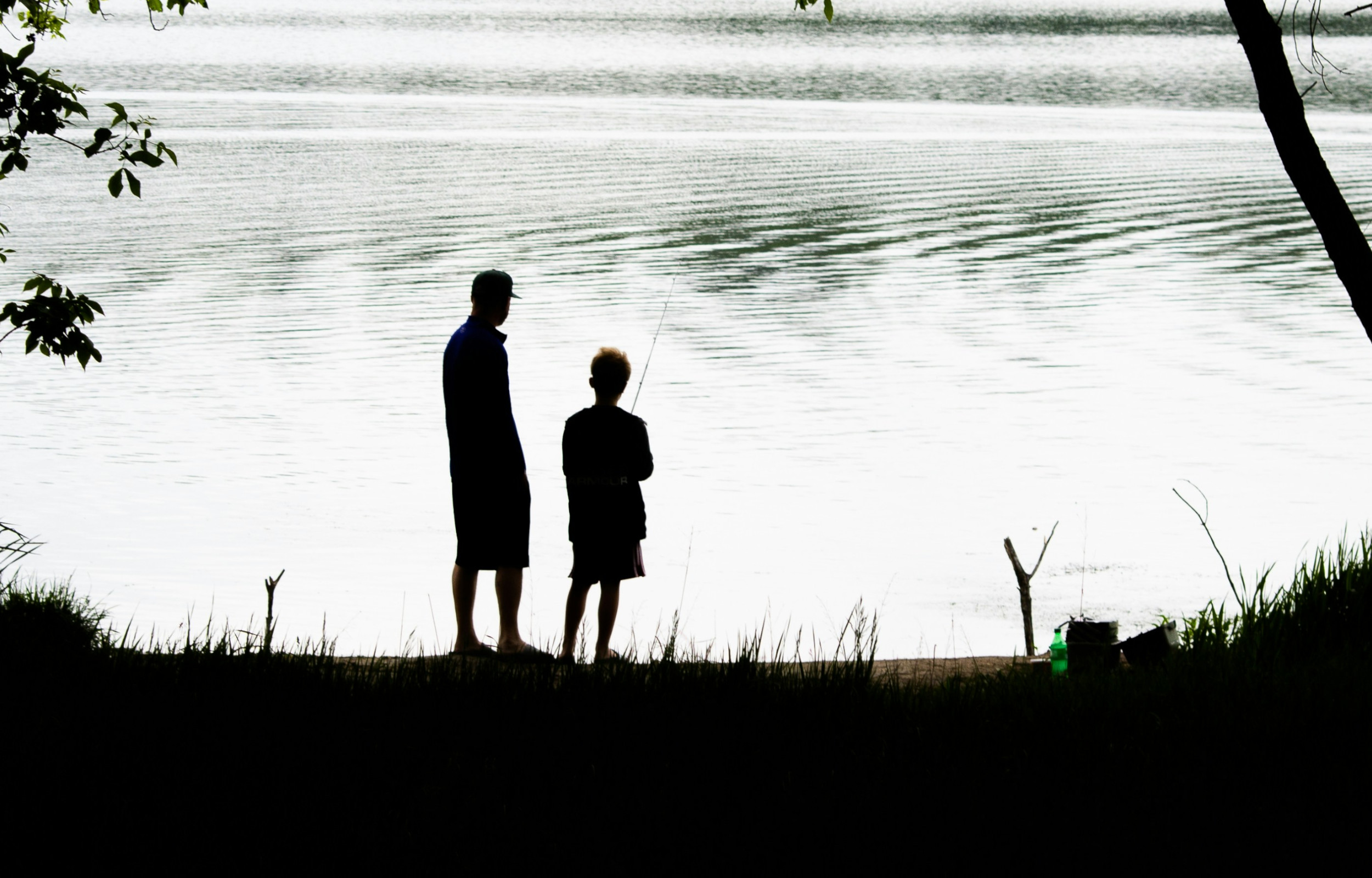
On the outside, I was “there.” I’d make the call, show up when it made sense, say the right things. But underneath it, there was a distance. As if I was playing a role I hadn’t fully rehearsed. Addiction does that. It narrows everything down until you’re just getting through the day, and being a father becomes something you can say you are, without really living it.
Recovery didn’t suddenly turn that around. It didn’t come with an instant reset or a new version of me. What it did give me was time and more importantly, repetition. A chance to try again the next day, and the next, and slowly start to understand what being present actually means.
The family I have now doesn’t fit in a neat box. There are four children in my life who I didn’t raise from birth, but they’re mine in every way that matters. We don’t use the word “step.” It always felt like it created a distance that doesn’t exist in real life. What we’ve built is just family; messy, real, sometimes loud, sometimes quiet, but ours.
They’ve only known me in recovery, which is something I don’t take lightly. They didn’t have to carry the worst versions of me. What they got instead was someone learning how to be consistent, how to be accountable, how to stay in the room when things are uncomfortable. I don’t always get it right. I still mess up. But I don’t disappear anymore. That part matters more than I can explain.
I’ve also had a son in recovery, and he’s only ever known me sober. That is something I don’t take for granted. I get to be there, properly there, for his life as it happens. We share a love of rugby, and a lot of our time together is built around that; training, matches, a shared passion and season tickets at Leicester Tigers, talking through the parts that most people wouldn’t think twice about. It’s one of those quiet gifts of recovery: not just being in your child’s life, but actually being able to show up in a way that matches what they care about. Supporting him in something we both love has given us a connection that feels simple, but solid.
Parenting in recovery isn’t dramatic most of the time. It’s school runs, family dinners, small conversations in the car, standing on the sidelines, remembering things you would’ve forgotten before. It’s also apologising when you get it wrong and not trying to soften it or explain it away. Just owning it. Then trying again the next day.
But Father’s Day doesn’t only hold the good stuff.
I have two daughters from earlier in my life, and those relationships are not where I wish they were. One I still have some contact with, though it’s careful and not simple. The other I haven’t spoken to in years. That’s a sentence that still lands heavily, no matter how much time passes.
Recovery teaches you a lot about responsibility, but it also teaches you about limits. There are things you can’t fix on your own, no matter how much you change. Making amends isn’t a moment. It’s not a conversation you have and then everything is okay. It’s something you live out over time, without any guarantee it will be received, or even seen.
That’s a hard thing to sit with, especially on days like this.
So Father’s Day ends up being two things at once. There’s gratitude for the family I do have in front of me, the laughter, the connection, the normalness of it all in the best way. And there’s also grief for what isn’t there. For what’s been lost. For relationships that may or may not ever come back.
Both are true. Neither cancels the other out.
I can be sitting at a table feeling genuinely grateful, and still be aware of the empty seats in my life. That used to feel like something I had to resolve. Now I understand it’s just part of it.
Families aren’t perfect. Mine certainly isn’t. They’re built out of effort, repair, misunderstanding, forgiveness, and sometimes long stretches of uncertainty. Recovery didn’t give me a flawless version of fatherhood. It gave me the chance to stay in it when it’s uncomfortable, and to keep showing up even when I don’t know what the outcome will be.
That’s where I am with it now.
Still showing up. I'm still learning. Still accountable for what came before, and still trying to be better with what’s in front of me today.
And on Father’s Day, maybe that’s enough.
%20(500%20x%20333%20px)%20(39).png)

%20(1).png)
%20(500%20x%20333%20px)%20(45).png)


